Kataluna: A Handwritten Script Font for Editorial Charm
As I sat down to redesign the header of my lifestyle blog, I knew I needed a font that would capture the essence of my brand—something natural, elegant, and inviting. That's when I discovered Kataluna, a sweet and natural-looking handwritten script font that has since become an essential part of my design toolkit.
Capturing the Visual Character of Kataluna
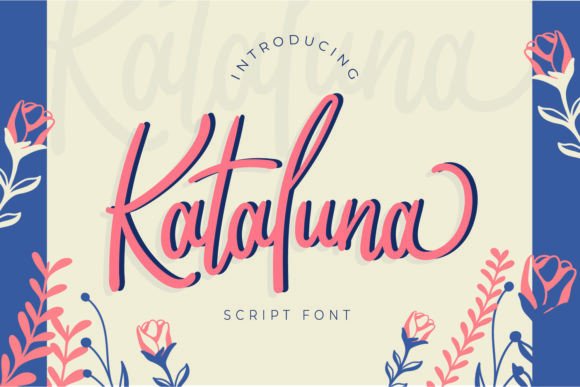
Kataluna is a premium font that embodies the fluidity and charm of a handwritten script. Its rhythm is smooth and flowing, with a personality that feels both personal and professional. The visual character of Kataluna is perfect for adding a touch of elegance to any editorial project, whether it’s a blog header, a magazine cover, or a digital ebook title.
Editorial Appeal and Mood
The mood of Kataluna is warm and welcoming, making it ideal for creating a connection with readers. When used in a blog header, it immediately sets a tone of approachability and creativity. For a recipe ebook, Kataluna can add a homemade, authentic feel, while in a wedding guide, it brings a touch of romance and sophistication.
Supporting Visual Hierarchy and Readability
In terms of visual hierarchy, Kataluna stands out beautifully as a display font. It commands attention without overwhelming the reader, making it perfect for article titles, chapter openers, and pull quotes. However, it’s important to note that while Kataluna is highly readable in larger sizes, it may not be the best choice for body copy or small captions due to its expressive nature.
For longer reading, such as in a coaching workbook or a printable planner, I recommend using Kataluna for section headings and decorative accents. This way, you can maintain the font’s aesthetic appeal without sacrificing readability. Pairing Kataluna with a clean sans serif font for body text or a classic serif font for subheadings can create a balanced and visually appealing layout.
Practical Considerations for Designers
When using Kataluna in your projects, it’s crucial to check the included styles, alternates, and ligatures. These features can add a unique and personalized touch to your designs. Additionally, ensure that the font supports the languages you need, especially if you’re creating content for a global audience. Kataluna is available in various file formats, making it versatile for web design, social media graphics, and print materials.
Before incorporating Kataluna into your commercial projects, such as ebooks, templates, or client publications, make sure to review the font licensing. This will help you avoid any legal issues and ensure that you are using the font within the permitted guidelines.
Real-World Applications and Case Studies
In a recent project, I used Kataluna for the cover of a digital magazine. The font’s natural and elegant style perfectly complemented the magazine’s focus on lifestyle and wellness. For a coaching workbook, I employed Kataluna for the chapter titles and key takeaways, which added a personal and motivational touch to the content. In both cases, the font enhanced the overall design and supported the publication’s identity and consistency.
Another practical use case is in newsletter graphics. Kataluna can be used for the main headline or a standout quote, drawing the reader’s eye and setting the tone for the content. For a more formal or dense document, such as a report, it’s best to use Kataluna sparingly, perhaps for the title or a decorative accent, to maintain a professional and readable layout.
Conclusion
Kataluna is a versatile and charming handwritten script font that can elevate the visual appeal and editorial mood of any content. Whether you’re designing a blog header, a recipe ebook, or a coaching workbook, Kataluna offers a blend of elegance and personality that can enhance your brand identity and engage your audience. Just remember to use it thoughtfully, pairing it with other fonts to create a balanced and readable layout.